Why Big Social Media Feels Fake Now
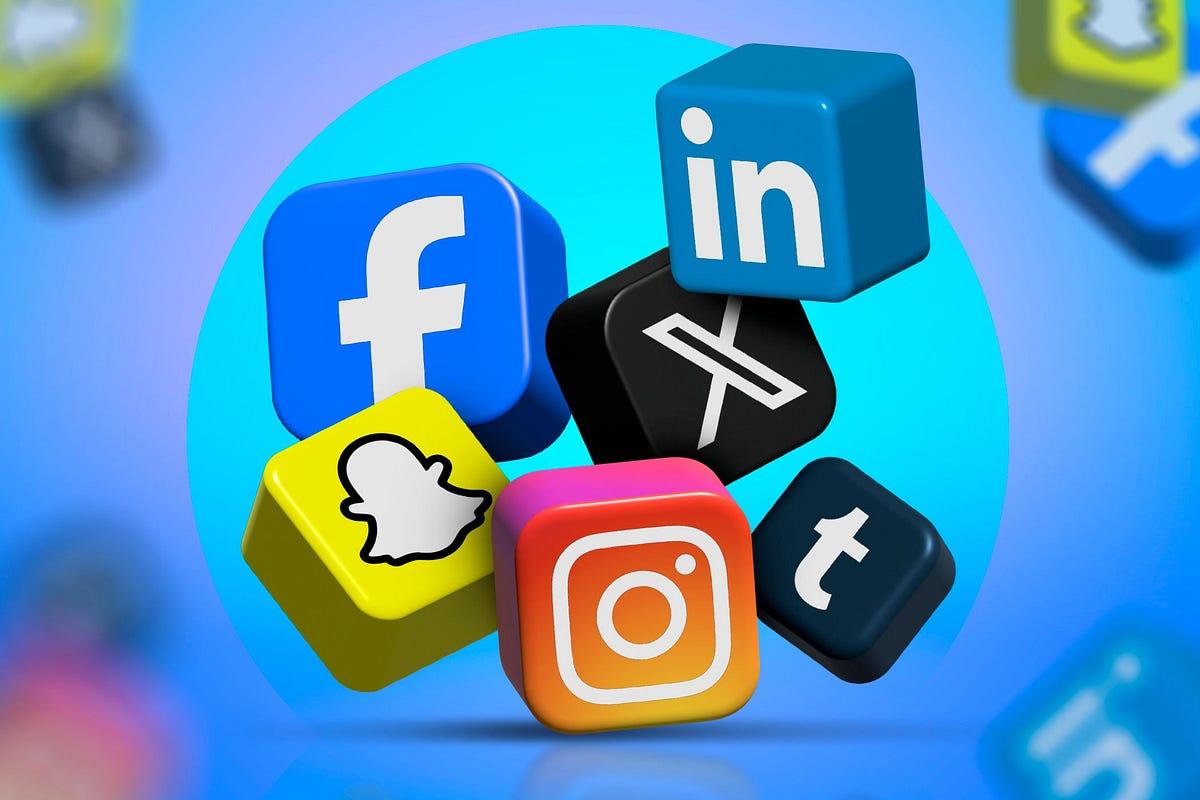
Not long ago, social media felt personal. You followed people you knew, saw posts in real time, and interactions felt natural. Today, many users describe big platforms as forced, exhausting, or just fake.
That feeling isn’t accidental — it’s the result of how large platforms have evolved.
1. Algorithms Replaced People
On platforms like Facebook, Instagram, and TikTok, you’re no longer seeing what people choose to share with you.
You’re seeing what an algorithm believes will:
-
Keep you scrolling longer
-
Trigger emotional reactions
-
Generate ad impressions
This means:
-
Loud, extreme content is rewarded
-
Nuanced or thoughtful posts are buried
-
Genuine updates from real people disappear
When a system prioritises engagement over authenticity, the feed starts to feel artificial — because it is.
2. Everyone Is Performing
Social media slowly turned into a stage.
People don’t post how they feel — they post what performs:
-
The right captions
-
The right timing
-
The right trends
-
The right image
Over time, this creates pressure:
-
Be interesting
-
Be positive
-
Be impressive
The result is a feed full of curated personalities rather than real humans. Even when people are being honest, it often feels rehearsed.
3. Engagement Is Manipulated
Likes, shares, and comments were meant to reflect interest. Now they’re tools.
Big platforms reward content that:
-
Provokes outrage
-
Exploits fear or insecurity
-
Encourages comparison
This shifts how people communicate:
-
Conversations turn into arguments
-
Opinions become extreme
-
Posts are designed to trigger, not connect
When engagement is engineered, interactions stop feeling genuine.
4. Ads Are Everywhere (and They Blend In)
Advertising used to be obvious. Now it’s disguised.
You’ll see:
-
Influencer posts that are secretly sponsored
-
“Authentic” stories designed to sell
-
Content that feels personal but exists to convert
Over time, users learn to distrust what they see. When everything might be an ad, everything feels fake.
5. Big Platforms Can’t Feel Human
Scale is the biggest problem.
A platform with:
-
Billions of users
-
Automated moderation
-
Algorithmic feeds
…can’t feel personal by design.
Small interactions don’t matter. Individual voices are drowned out. Communities become audiences.
This is why many users say:
“It doesn’t feel like anyone is listening anymore.”
6. People Are Becoming Passive
Most users today don’t post — they scroll.
Why?
-
Posting feels risky
-
Replies feel hostile
-
The reward isn’t worth the effort
So people consume instead of participate. When a platform is full of watchers and performers, authenticity disappears.
7. Why Smaller Platforms Feel Different
Smaller communities often feel more real because:
-
Posts aren’t buried by algorithms
-
People recognise each other
-
Conversations last longer than one post
-
There’s less pressure to perform
When people feel seen instead of measured, they act more like themselves.
What This Means Going Forward
Big social media isn’t “broken” — it’s doing exactly what it was built to do.
But many users are realising something important:
More reach doesn’t mean more connection.
That’s why smaller platforms, niche communities, and slower social spaces are quietly growing. People don’t want to impress millions — they want to belong somewhere.
Final Thought
If social media feels fake, it’s not because people changed.
It’s because the systems around them did.
And as more users look for quieter, more human spaces online, the future of social media may not be bigger — just smaller and more real.

 English
 Arabic
 French
 Spanish
 Portuguese
 Deutsch
 Turkish
 Dutch
Dutch
 Italiano
 Russian
 Romaian
 Portuguese (Brazil)