
Amazon Fire TV Blocks Sideloaded Apps in 2026: What You Need to Know
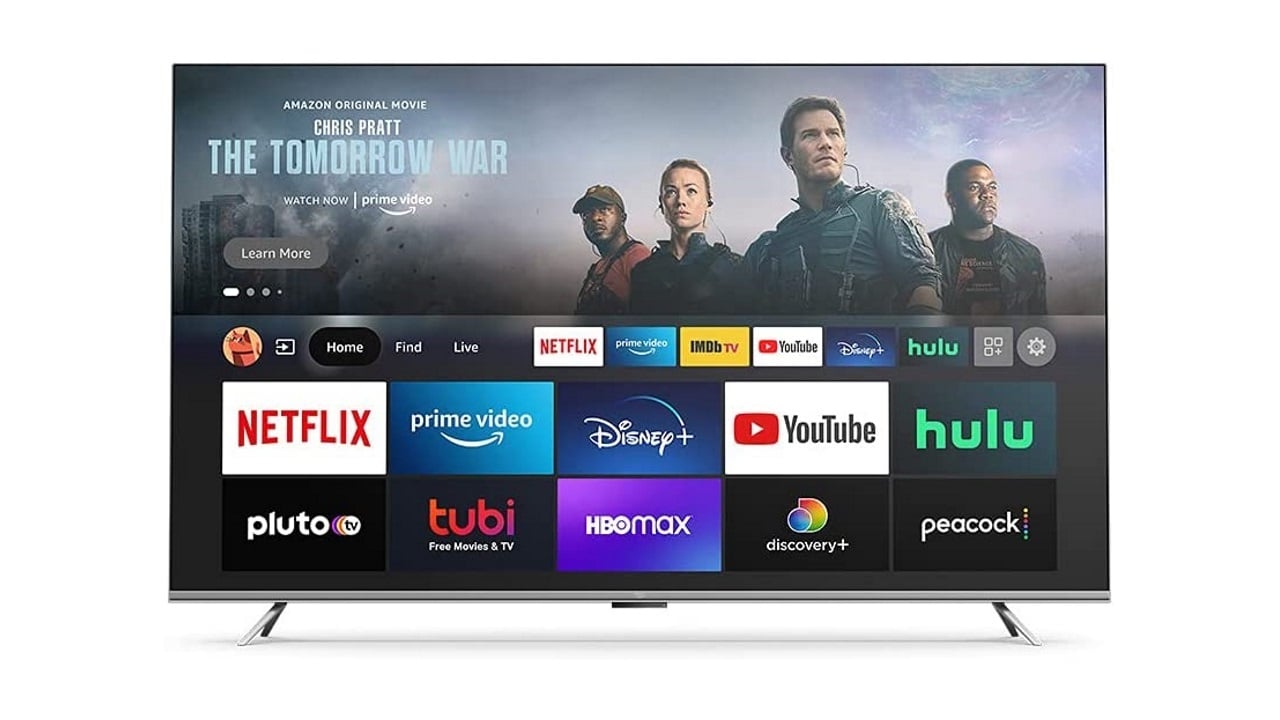
Amazon has started blocking the installation of certain sideloaded applications on Fire TV devices, marking another step in the company's ongoing effort to tighten control over its streaming platform. This significant development affects millions of Fire TV users worldwide and represents a fundamental shift toward a more controlled streaming ecosystem.
What's Happening with Fire TV Sideloading
Users attempting to install some apps outside of the official Amazon Appstore are now seeing warning messages such as "app installation blocked" or "this app cannot be installed on your device." Reports indicate that the restriction is being applied selectively rather than as a blanket ban on all sideloaded software. The change appears to target applications associated with unlicensed or pirated streaming content, rather than general-purpose tools or utilities. In many cases, apps that previously installed without issue are now being prevented from running during the install process.Impact on Different Fire TV Models
The blocking affects various Fire TV devices differently:- Fire TV Stick 4K Max (2023): Most aggressive blocking implementation
- Fire TV Cube (3rd Gen): Moderate restrictions on specific categories
- Fire TV Omni Series: Enhanced blocking with smart home integration
- Fire TV Stick Lite: Gradual rollout of restrictions
- Older Fire TV Devices: Limited impact but receiving updates
Why Amazon is Making This Change
Amazon has long taken a public stance against piracy on Fire TV. The company says tighter controls are designed to:- Protect customers from malicious or unsafe software that could compromise device security
- Reduce exposure to unlicensed content that violates copyright agreements
- Comply with content licensing and distribution agreements with major studios
- Maintain platform integrity and ensure consistent user experience
- Avoid legal liability associated with facilitating piracy
The Strategic Role of Vega OS
The restrictions also align with Amazon's broader platform shift toward Vega OS, its Linux-based operating system that is gradually replacing Android on newer Fire TV hardware.Android vs. Vega OS Comparison
Traditional Android Fire TV:- More open architecture for app installation
- Broader compatibility with Android APK files
- Established developer ecosystem
- Legacy support for unofficial applications
- Locked ecosystem with strict validation
- Enhanced security and content protection
- Optimized for Amazon services
- Limited third-party app support
What This Means for Different Users
Casual Streaming Users
For most users who rely on apps from the Amazon Appstore, the change will likely go unnoticed. Popular services like Netflix, Disney+, Hulu, and Prime Video continue to work normally.Power Users and Cord-Cutters
Users who sideload apps for streaming, customization, or third-party services may encounter new limitations affecting:- Advanced media players (VLC alternatives)
- Streaming aggregation tools
- Custom launchers and interfaces
- International streaming services
- Gaming emulators
- File management utilities
Technical Enthusiasts
The developer and hobbyist community faces the most significant impact, with reduced ability to:- Install development builds and beta software
- Use system debugging tools
- Implement custom user interfaces
- Access advanced networking applications
Current Sideloading Status
What's Still Allowed:
- Legitimate development tools for app testing
- Productivity applications like browsers and file managers
- Open-source media players without questionable content
- Gaming emulators for personal use with owned games
What's Being Blocked:
- Unlicensed streaming apps providing premium content without authorization
- Piracy-focused tools for downloading copyrighted material
- Apps with malware signatures or suspicious behavior
- Resource-intensive background software like crypto miners
- Sideloading is not fully blocked, but it is increasingly restricted
- Apps linked to pirated or unlicensed content are most affected
- Future Fire TV devices may further reduce sideloading options
- Alternative streaming platforms may become more attractive
Industry-Wide Implications
Amazon's move reflects a wider industry trend. Streaming platforms and device manufacturers are increasingly tightening control over software distribution to protect content agreements and reduce legal exposure.Broader Trends Affecting Streaming:
Content Protection:- Stricter DRM implementation across platforms
- Enhanced cooperation between manufacturers and studios
- Increased legal pressure to prevent piracy
- Movement toward closed ecosystems like Apple TV
- Reduced support for alternative app distribution
- Greater emphasis on official partnerships
- Proactive measures to avoid government intervention
- Alignment with international copyright enforcement
- Enhanced cooperation with law enforcement
Future Expectations
As Fire TV continues to evolve, users should expect:Short-term Changes (2026-2027):
- Greater emphasis on official app distribution through Amazon's channels
- More platform-level enforcement rather than manual takedowns
- Enhanced detection algorithms for prohibited software
- Account-level consequences for repeat violations
Long-term Platform Direction:
- Complete transition to Vega OS on new hardware
- Full ecosystem integration with Amazon services
- Advanced content curation using AI and user behavior
- Possible premium tiers with different restriction levels
Alternatives for Affected Users
Official Streaming Alternatives:
- Apple TV 4K: More open App Store ecosystem
- NVIDIA Shield TV: Maintained Android TV flexibility
- Roku Ultra: Different approach with channel partnerships
- Chromecast with Google TV: Google Play Store access
Technical Workarounds:
- Older Fire TV models: May retain sideloading capability longer
- Developer mode: Still available for legitimate development
- Hybrid setups: Multiple devices for different content needs
- Alternative launchers: Some may continue working
Privacy and Security Considerations
Security Benefits:
- Reduced malware risk from unvetted applications
- Improved system stability through app certification
- Better parental controls with curated content
- Consistent security updates across the platform
Privacy Concerns:
- Increased data collection about viewing habits
- Enhanced user tracking across Amazon services
- Potential content censorship based on policies
- Reduced user autonomy over device functionality
Recommendations for Fire TV Users
For Mainstream Users:
Continue enjoying your streaming experience as normal. The changes primarily affect unofficial applications and won't impact your access to popular streaming services.For Power Users:
- Evaluate current app dependencies and identify essential sideloaded software
- Consider alternative platforms if flexibility is crucial
- Backup important applications before potential removal
- Stay informed through community forums and tech news
For Developers:
- Transition to official channels through Amazon's developer program
- Target multiple platforms to reduce dependency on Fire TV
- Engage with Amazon about official app store inclusion
- Consider open-source alternatives for development tools
The Bottom Line
Amazon Fire TV's new restrictions don't end sideloading entirely, but they do mark a clear shift toward a more closed ecosystem. For users who depend on unofficial apps, this change is an early signal that Fire TV is moving closer to a fully curated platform. More updates are expected as Amazon expands these controls across devices and operating systems. The streaming landscape is evolving toward greater content control and platform consolidation, affecting how users access and consume digital media.What to Expect:
- Continued tightening of app installation policies
- Enhanced official ecosystem as Amazon courts developers
- Industry-wide adoption of similar restrictions
- Greater emphasis on legitimate content sources
Read the full article: https://luckyy.uk/amazon-fire-tv-begins-blocking-installation-of-some-sideloaded-apps-what-you-need-to-know-in-2026/

 English
 Arabic
 French
 Portuguese
 Deutsch
 Turkish
 Dutch
Dutch
 Italiano
 Russian
 Romaian
 Portuguese (Brazil)
 Greek
Greek